


Spilling the tea on kink
Kink isn’t one thing. It isn’t one look, one body, one relationship style, or one identity. It’s a broad umbrella that covers a huge range of consensual activities, dynamics, and fantasies.
For some people, kink is about sensation; rope, impact, restraint, temperature play. For others, it’s about power; dominance, submission, control, surrender. And for many, it’s a mix of physical, emotional, psychological, and erotic exploration.
There’s no single “right” way to be kinky. What matters most isn’t how extreme something looks - it’s whether it’s consensual, negotiated, and safe for everyone involved.


Consent comes first (and last - and always)
Kink relies on consent. Not implied consent. Not assumed consent. Explicit, enthusiastic, informed consent.
Before trying something new, it's important to talk about:
- What you’re interested in
- What’s off limits
- Physical or emotional triggers
- Safer sex considerations
- Safer drug considerations (if relevant)
- What happens if someone wants to stop
Many people use tools like:
- Safewords (clear words that immediately stop play)
- Traffic light systems (green = good, amber = slow/check-in, red = stop)
- Pre-scene negotiations
- Written agreements
Consent is ongoing. It can change mid-scene. It can change between partners. It can change over time. And withdrawing consent should always be respected immediately.
Safety: Risk-aware, not risk-free
Some kink activities carry physical or emotional risk. Being honest about that is part of doing it responsibly.
A common framework in BDSM communities is RACK - Risk-Aware Consensual Kink. The idea isn’t that there’s no risk, it’s that everyone understands the risks and chooses to engage anyway.
General safety principles:
- Educate yourself before trying something new.
- Start slowly and build intensity over time.
- Never restrict breathing (breath play carries high risk of injury or death).
- Avoid tying or restraining over joints or the front/sides of the neck.
- Keep safety tools accessible (e.g., safety shears for rope).
- Don’t mix intense scenes with substances that impair judgement.
If you’re unsure about something, research from multiple reputable sources or attend workshops run by experienced facilitators.

Body fluids, hygiene, and play
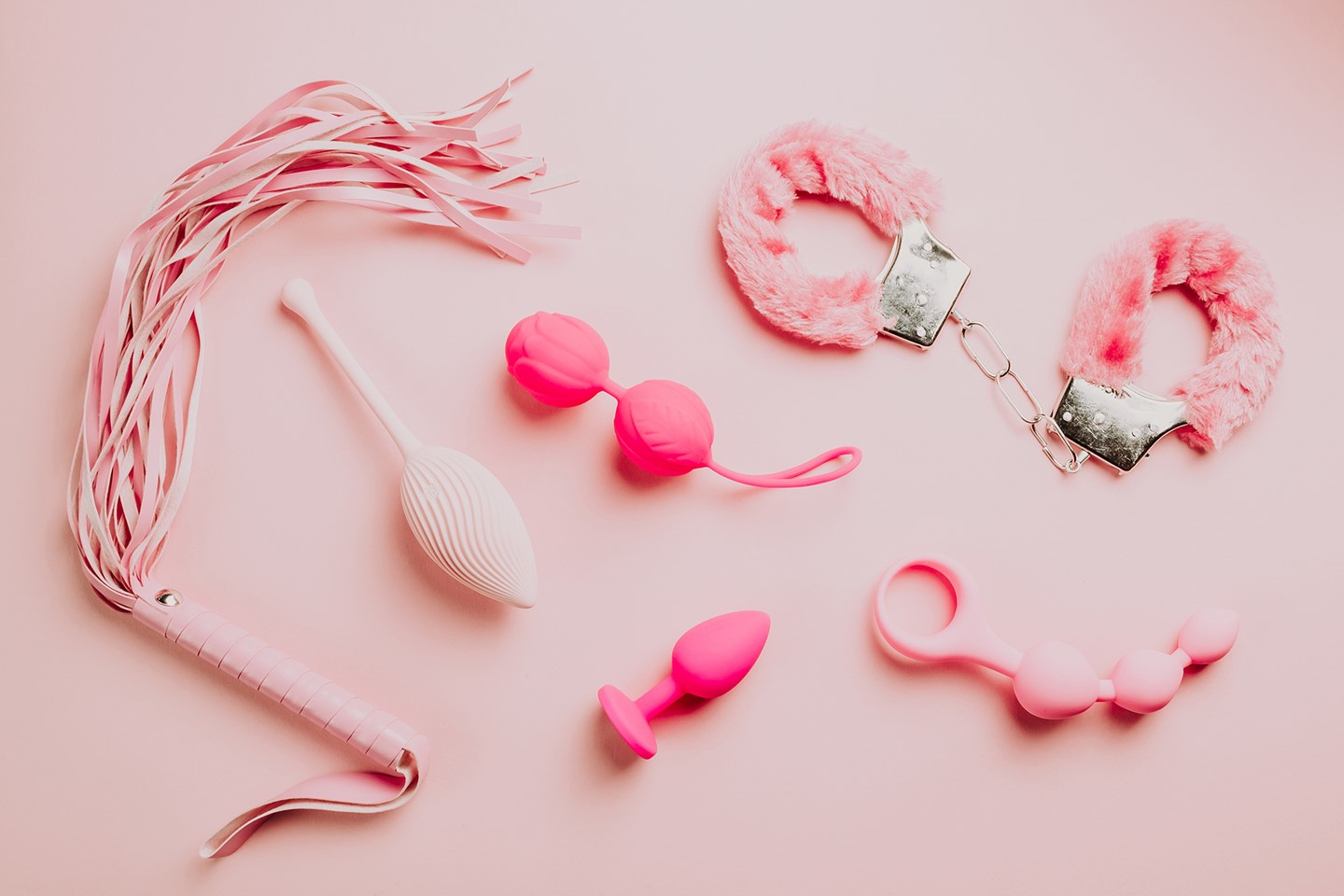
If a kink involves bodily fluids, impact play, penetration, or shared toys, it's good to think about:
- STI risk and barrier use (condoms, gloves, dental dams etc.)
- Toy cleaning and material safety
- Open skin or broken skin exposure
- Regular sexual health testing
There’s nothing inherently “dirty” about kink - but hygiene and harm reduction matter.
Emotional care matters too
Kink can bring up big feelings - vulnerability, catharsis, joy, release, sometimes unexpected emotional responses.
Aftercare helps people transition out of intense experiences safely. That might look like cuddling, water, quiet time, reassurance, or space.
You don’t need to be in a 24/7 dynamic to benefit from emotional check-ins.


You don't have to label yourself
Some important things to remember: You can be curious without identifying as kinky. You can enjoy one activity and not another. You can try something once and decide it’s not for you.
Exploration doesn’t require a fixed identity. It just requires consent and communication.