

ATTENTION
Attention: The Mpox vaccine is FREE and available in Aotearoa New Zealand now - For more info click here: Mpox vaccines
Staying Safe
Looking after your sexual health is about having options - and choosing what works for you.
There isn’t one “right” way to stay safe. Different prevention methods protect against different things, and lots of people use a combination depending on their partners, relationships, and what feels right in the moment.
Here’s an overview of the main tools you can choose between (and you can totally choose more than one!)
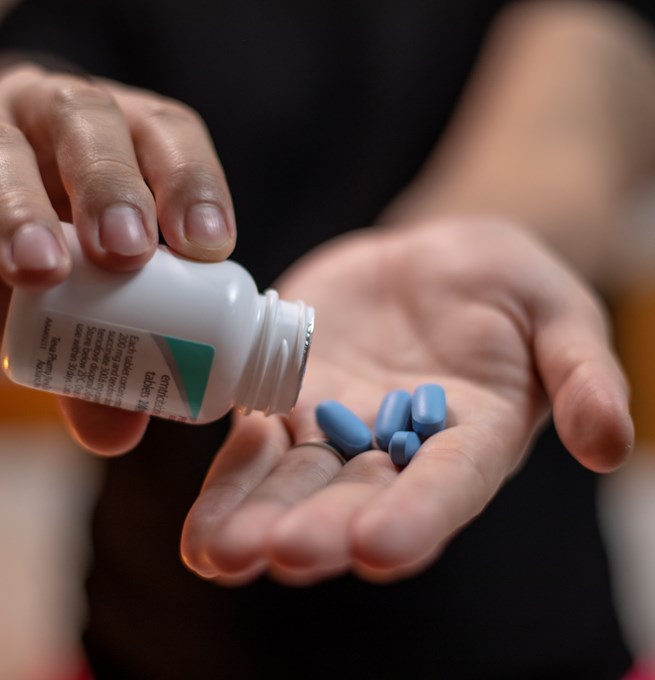
PrEP
PrEP (pre-exposure prophylaxis) is a daily or event-based pill that prevents HIV. When taken as prescribed, it reduces the risk of getting HIV from sex by around 99%.
PrEP is a great option if you have sex without condoms, have multiple partners, or want extra reassurance. It only protects against HIV, so regular STI testing is still important.
Learn more about how PrEP works, who it’s for, and how to get it in Aotearoa.

Condoms + lube
Condoms are a simple, effective way to prevent HIV and other STIs. They create a physical barrier during sex, and when used correctly with plenty of water- or silicone-based lube, they’re highly protective.
Many people use condoms on their own, while others combine them with PrEP for extra protection. The key is finding what feels good and works for you.
Find tips on choosing condoms, using them properly, and making them part of sex that feels great.

HIV and STI testing
Regular testing is one of the most powerful prevention tools we have.
Testing lets you know your status, start treatment early if needed, and stop passing infections on. Most STIs are easy to treat, and HIV treatment today allows people to live long, healthy lives.
How often you test depends on your sex life, but many sexually active gay and bi men test every 3 months. Learn what to expect from a test and where to get one (including self-test options!)

DoxyPEP
DoxyPEP (Doxycycline Post-Exposure Prophylaxis) involves taking a dose of doxycycline within 72 hours of sex to reduce the chance of getting certain bacterial STIs, including syphilis and chlamydia.
It’s a newer prevention option and isn’t for everyone, but for some people at higher risk of STIs, it can significantly reduce infections. It doesn’t protect against HIV or all STIs, and it should be discussed with a healthcare provider.
Find out how DoxyPEP works and whether it might be right for you.

Mpox vaccines
Mpox is not an STI - but it acts like one! It can be passed on through close physical contact, including sex.
Vaccination is the most effective way to prevent mpox. Being aware of symptoms, avoiding close contact when unwell, and seeking testing if you have symptoms are also important.
Learn about mpox symptoms, how it spreads, and how to access vaccination in Aotearoa.

U=U
U=U (undetectable = untransittable) means that when a person living with HIV is on effective treatment and has an undetectable viral load, they cannot pass HIV on through sex.
This is backed by strong scientific evidence and is one of the biggest breakthroughs in HIV prevention and has transformed the lives of people living with HIV.
Learn more about what “undetectable” means and why U=U matters.

PEP
PEP is a 28-day course of HIV medication taken after a possible exposure to HIV.
It needs to be started within 72 hours (the sooner, the better) and can prevent HIV from establishing in the body. PEP is for emergencies - for example, if a condom breaks or you’ve had sex without protection and are worried.
Find out how to access PEP quickly and what to expect from treatment.