Sex & drugs
People use drugs during sex for lots of different reasons. For some it's about pleasure, intimacy or confidence. For others it's part of how they socialise, hook up, or connect with community.
Like any activity involving drugs, there can be risks. This page focuses on practical ways to reduce harm, look after yourself and others, and know what to do if something doesn't go to plan.
Before you start
A little planning can go a long way. Before a session, consider:
- What substances you plan to use
- Whether you know what they are
- How much you plan to take
- Who you will be with
- How you will get home
- What you will do if something goes wrong
You may also want to think about:
- Food
- Water
- Sleep
- Medications you are taking
- Your mental health
- Any health conditions that could be affected
Looking after yourself starts before anything happens. Being exhausted, stressed or already feeling unwell can make it much harder to make decisions you'd normally feel comfortable with.
Know what you're taking
One of the biggest risks with any drug use is not knowing exactly what you're taking. Drugs don't always match what they're sold as. Even when they do, strength can vary between batches, unexpected ingredients can turn up, and mixing substances can increase risk.
Where possible:
- Use drug checking services
- Avoid taking substances from unknown sources
- Start with a smaller amount if you are unsure of strength
- Avoid assuming a new batch will behave like a previous one
Remember that different people can respond very differently to the same substance.

During the session
When it comes to looking after yourself during a session, a few simple habits can make a big difference:
- Staying hydrated
- Eating when you can
- Taking breaks
- Checking in with your body
- Keeping track of doses and timing
- Avoiding re-dosing too quickly
Some drugs can take longer to take effect than people expect. Taking more because "nothing is happening yet" can sometimes result in taking more than intended.
If you are using GHB, GBL or 1,4-BD, paying attention to dose measurements and timing is especially important.
Looking after your mates
Looking after yourself is important, but looking after the people around you matters too. You can help by:
- Checking in with people
- Watching for signs of overdose or distress
- Making sure people have water and somewhere safe to rest
- Respecting boundaries and consent
- Helping people access support if they need it
If somebody seems unwell, confused, unconscious, or unable to care for themselves, don't assume somebody else will step in.
Never underestimate a quick check-in. Sometimes asking "Are you okay?" is enough to stop a situation getting worse.
Consent and communication
Consent and communication matter in every sexual situation, but they can become especially important when drugs or alcohol are involved.
Drugs can affect:
- Communication
- Decision-making
- Confidence
- Boundaries
- Awareness of risk
Drugs don't automatically mean someone can't consent, but they can make it harder to know whether everyone is genuinely comfortable and on the same page.
Before and during a session it can help to:
- Discuss boundaries
- Talk about prevention plans
- Agree on what activities people are comfortable with
- Check in regularly
- Make sure everybody knows they can stop or change their mind
Group dynamics, power dynamics, drugs, and the desire to "keep the vibe going" can sometimes make it harder for people to speak up when they feel uncomfortable.
If somebody seems unsure, distressed, confused or uncomfortable, slow things down and check in.

HIV, STIs and prevention
Sex involving drugs can sometimes increase the chance of HIV and/or STI transmission. Drugs can change the way people make decisions, and sessions sometimes last longer or involve more partners than originally planned. That's why it's worth having a prevention plan before things get underway.
Depending on your circumstances, prevention options may include:
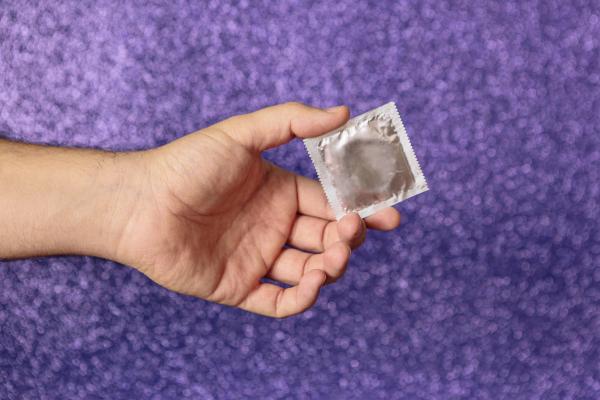
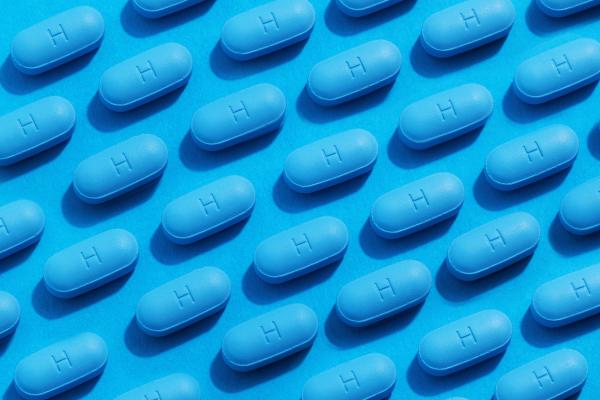

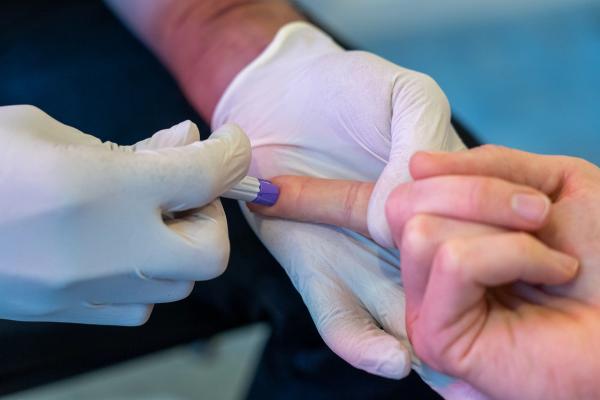
Regular testing is an important part of looking after your sexual health, particularly if you are having sex with multiple partners.
What is chemsex or party and play (PnP)?
Chemsex, sometimes called party and play (PnP), generally refers to using certain drugs during sex, often methamphetamine and/or GHB/GBL (G).
People's experiences with chemsex vary widely. Some people may engage occasionally, while for others it may become a more regular part of their sexual lives.
If you want to learn more about chemsex, common terms, community contexts and support options, visit our dedicated page:

Injecting and safer slamming
Some people inject drugs during sex. Injecting carries additional risks, including:
- HIV
- Hepatitis C
- Bacterial infections
- Vein damage
- Overdose
If you inject:
- Always use new, sterile equipment available through the NZ Needle Exchange
- Never share needles or injecting equipment
- Dispose of equipment safely
- Access needle exchange services where available
Burnett Foundation's Te Toka Centre is an alternative needle exchange provider.
Looking after yourself afterwards
The effects of a session do not always end when the drugs wear off. Some people experience:
- Fatigue
- Anxiety
- Low mood
- Disrupted sleep
- Feelings of shame or regret
- Loneliness
- Difficulty reconnecting with everyday life
These feelings can happen even after a session that felt enjoyable at the time. Recovery may include:
- Eating well
- Hydrating
- Resting
- Reconnecting with supportive people
- Accessing healthcare if needed
- Giving yourself time to recover physically and emotionally
If you find that sex without drugs feels difficult, or that your relationship with drugs is becoming harder to manage, support is available.
Emergencies and overdoses
Knowing what to do in an emergency can save lives. Call 111 if somebody:
- Loses consciousness
- Is difficult to wake
- Stops breathing normally
- Has a seizure
- Experiences chest pain
- Becomes severely confused or distressed
- You are otherwise worried about their immediate safety
If you think somebody may have overdosed:
- Stay with them
- Call 111
- Follow emergency operator instructions
- Be honest about what substances may have been taken
Medical staff are there to help, not judge. It's always safer to call early than wait and hope someone gets better on their own.