HIV
HIV is a virus that affects the immune system, but thanks to modern medicine, people living with HIV can live long, healthy lives and cannot pass HIV on sexually once they reach an undetectable viral load (U=U).
Understanding how HIV works helps challenge stigma and makes it easier to make informed decisions about sex and relationships. This page covers transmission, testing, prevention, treatment, and some of the most common myths about HIV.
This content is also available in:
How does HIV work?
HIV invades cells within the body and goes on to continually reproduce itself.
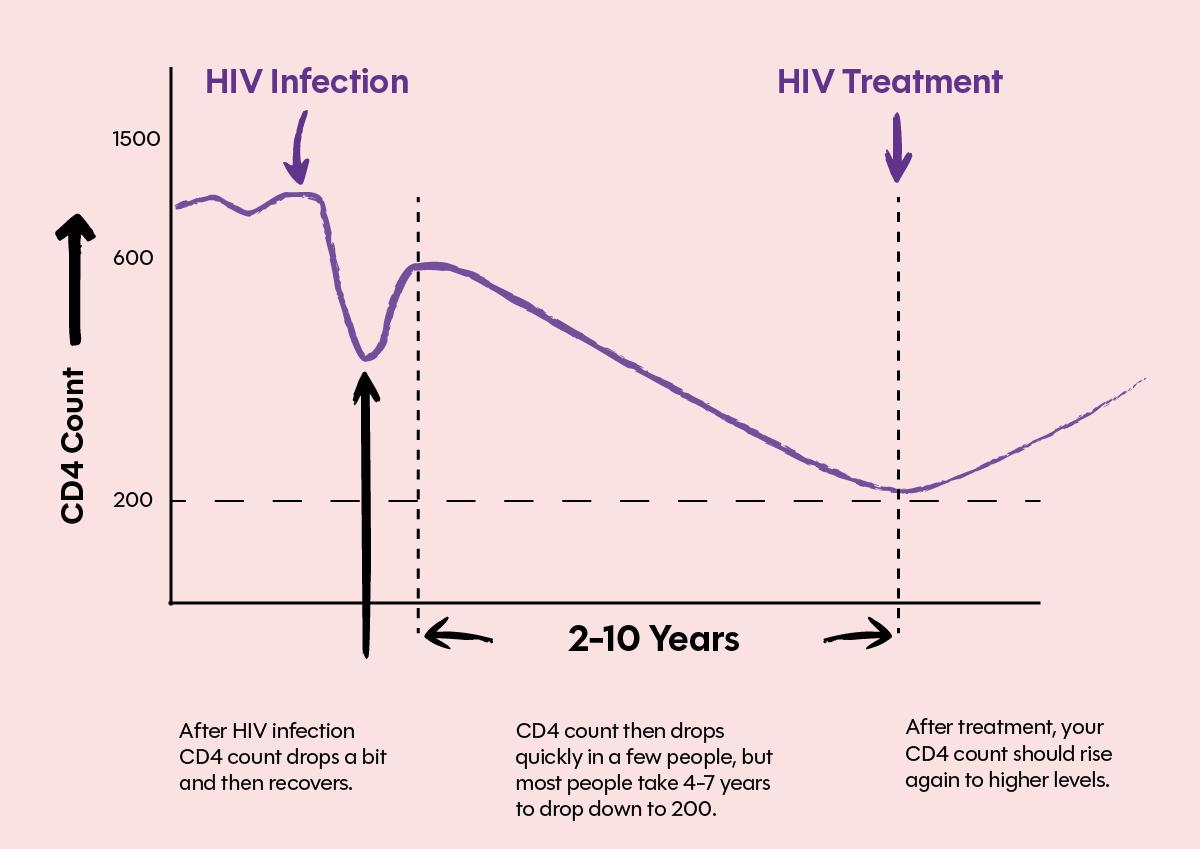
Normally, the body’s immune system would fight off such a virus, but HIV stops this from happening by infecting CD4 cells (T-cells), which are the cells that fight off infections. The virus can live in the body for years without causing noticeable symptoms, while continuing to make copies of itself.
Left untreated, HIV can reduce the effectiveness of the immune system to the point where opportunistic infections and cancers can’t be fought off. This stage of HIV infection, where a compromised immune system results in other serious illnesses taking hold, is what is known as Acquired Immune Deficiency Syndrome (AIDS). However, the vast majority of people living with HIV who are on treatment will never develop AIDS.
For mums living with HIV, maintaining effective treatment throughout pregnancy and avoiding breastfeeding can halt onward transmission to babies.
It’s also very important to know the ways HIV isn’t transmitted. For example, HIV cannot be transmitted by:
- Any skin-to-skin contact
- Kissing
- Sharing food
- Living in the same space
How is it transmitted?
HIV is found in blood, semen, vaginal fluid and some other bodily fluids. It can be passed on when those fluids enter another person’s bloodstream.
The main ways HIV can be passed on are:
- Unprotected anal, front-hole or vaginal sex
- Sharing injecting equipment
- From mother to baby during pregnancy, birth or through breastfeeding
There are ways to prevent HIV transmission in all these situations:
- Using condoms, PrEP or U=U as a prevention strategy will stop transmission during sex
- New, unused injecting equipment removes the risk of HIV transmission – head to the Needle Exchange for more information

How do I know if I've acquired HIV?
Anyone who is sexually active should be testing for HIV at least twice a year (and sometimes more frequently - use our online tool to calculate your optimal testing frequency) to make sure they know their status and to detect HIV as early as possible.
It’s important to detect HIV early, as treatment should be started as soon as possible after exposure to ensure the best health outcomes (including quickly reaching an undetectable viral load – which means HIV cannot be transmitted sexually).
Without testing, it’s impossible to know if you might be living with undiagnosed HIV as symptoms can vary hugely from person to person. Some people may not present symptoms until they become very sick. Others may develop a flu-like illness soon after exposure – often called ‘seroconversion’ illness as this tends to be when your body develops antibodies in reaction to HIV being present in your system. In other words, the presence of any symptoms, or lack of symptoms, does not tell whether you are living with HIV or not.
HIV can be detected by taking a test – head to our testing page to find out more about the types of tests available.
Important info
Worried about the risk of an encounter? You can use our tool to find out your risk & best next steps.
What if I'm diagnosed with HIV?
To start with, take a deep breath. Getting the news can be a lot to take in, but it’s important to remember that modern HIV treatments are very effective, and HIV is no longer the health crisis it once was. In fact, if you start and continue treatment, you are most likely to live a long, healthy life, just as those not living with HIV.
Once you are on treatment, it is very likely you will soon reach what is called an undetectable viral load. This means that the level of the virus can no longer be measured in your system by standard viral load tests. While this doesn’t mean you no longer have HIV, it does mean that it can no longer be transmitted sexually – even if you don’t use condoms at all!
Important info
People living with HIV who are on antiretroviral treatment and maintain an undetectable viral load for at least six months do not sexually transmit HIV.
Learn more about HIV







FAQs
Extremely low. Risk only increases if there are open and bleeding cuts in the mouth. Read more about what sexual activities place you at risk of contracting HIV.
HIV stands for Human Immunodeficiency Virus and is a virus that attacks the immune system, killing off healthy immune system cells that normally fight off infection. HIV is transmitted through blood, semen, anal mucous, vaginal fluid and breast milk. AIDS stands for Acquired Immune Deficiency Syndrome and is the term used to indicate complete deterioration and destruction of immune function - the final stage of HIV. People with HIV who are on consistent antiretroviral (ARV) treatment can expect to lead long and healthy lives and may never progress to AIDS.
Many people don’t notice any symptoms after acquiring HIV. The only way to know your status is to get tested. For some people who experience symptoms, they may occur from two to four weeks after HIV infection and could include flu-like symptoms that are easily confused with other infections, such as fatigue, fever, night sweats, sore throat, swollen lymph nodes, headache, loss of appetite or skin rash. These symptoms usually last less than two weeks although they can last as long as 10 weeks. If you‘ve recently had unprotected anal sex and experience any of these symptoms, you should have an HIV test with NZAF, your emergency room, GP or sexual health service. Also, keep in mind that not all doctors will recognise the symptoms of HIV. If you see a doctor because you have one of the symptoms listed above, it’s important to explain that you feel at risk of HIV and ask to be tested, even if they don’t suggest it. Don’t assume you will be tested for HIV just because they take your blood. Ask to be sent a copy of the results.
HIV 101 workshop
Our free HIV 101 workshop helps people better understand HIV, prevention, U=U, and the realities of living with HIV in Aotearoa today. It covers a range of topics including:
- The basics of HIV;
- HIV prevention strategies including ‘Stay Safe, Test Often, and Treat Early’;
- Living with HIV and challenging HIV stigma;
Each workshop runs for approximately an hour and we can tailor the content based on the duration requested and the type of audience. These can take place in person or virtually (over Teams, Zoom, Skype etc).
You can book our workshop by filling out the form below.