Chemsex and party and play (PnP)
Chemsex, sometimes called party and play (PnP), generally refers to using certain drugs before or during sex to enhance, prolong or change the experience.
The drugs associated with chemsex vary between countries and communities. In Aotearoa New Zealand, the term is most commonly linked to methamphetamine and GHB, GBL or 1,4-BD, often collectively called G. In parts of Europe, it may also include drugs such as mephedrone.
Chemsex can be an occasional experience or a more regular part of someone’s sex life, relationships or social circles. Experiences differ too; some people find it pleasurable, connecting or freeing, while others notice an impact on their physical health, mental wellbeing, relationships or ability to enjoy sex without drugs.
Understanding those different experiences makes it easier to talk honestly about chemsex, reduce harm and find support when it is needed.
What is chemsex?
There is no universally agreed definition of chemsex. Generally, chemsex refers to using certain drugs in a sexual context, particularly drugs that affect confidence, inhibition, sexual desire, sensation, stamina or feelings of connection.
It can involve sex between two people, several partners over the course of a longer session, or group sex at parties, events or someone’s home.
Some people use the term party and play (PnP), while others may use terms like wired play, high and horny, or other community-specific language.
Not everyone who uses drugs during sex would describe themselves as participating in chemsex.
How common is chemsex?
Chemsex receives a lot of attention in media and community discussions, but most gay and bisexual men do not participate in it.
International studies have estimated participation at around 5 to 7%, although results differ between countries, cities and communities. We do not currently have equivalent data for Aotearoa New Zealand.
How visible chemsex feels can also depend on someone’s age, location, social circles and the online spaces they use. Some people may rarely encounter it, while for others it is a familiar part of their community.
Common terms you might see or hear
If you're new to conversations about chemsex, you may come across terminology that feels unfamiliar. Some common examples include:
- PnP: Party and play
- Tina: Methamphetamine
- G: GHB, GBL or 1,4-BD
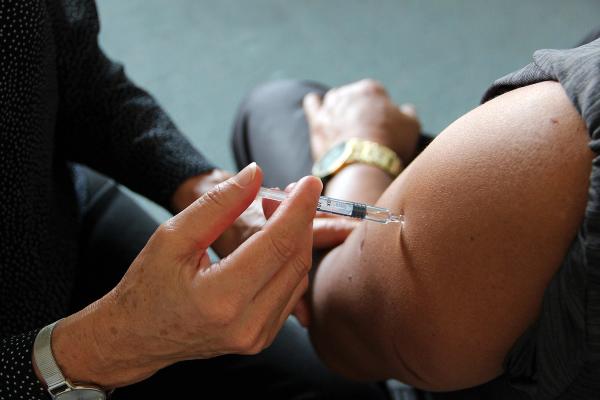
- Slamming: Injecting drugs
- ParTy: A coded way some people refer to methamphetamine use
- 💠☁️🧊: Emojis used to reference methamphetamine
Language changes quickly and can differ between communities, cities and online platforms.

Why do people engage in chemsex?
People take part in chemsex for many reasons, and those reasons can change over time.
Drugs may increase pleasure, confidence, intimacy or connection. They can make it easier to explore fantasies, reduce anxiety or feel more comfortable during sex. Chemsex may also offer a sense of belonging, curiosity or escape from stress, loneliness and difficult feelings.
Two people in the same session may have very different reasons for being there.
Potential risks and challenges
While some people have positive experiences with chemsex, there can also be risks. These may include:
Physical health risks
- Overdose
- Dehydration
- Exhaustion
- Injuries during longer sessions
- HIV and STI transmission
- Complications from injecting drugs
Mental health impacts
- Anxiety
- Low mood
- Disrupted sleep
- Paranoia
- Low mood or emotional crashes after sessions
These effects may be temporary or may become more significant over time.
Relationship and social impacts
Chemsex can also affect friendships, whānau relationships, partnerships, work and housing. These effects may be brief, or they may build gradually over time.
Looking after yourself and others
People who participate in chemsex often find practical ways to reduce risk and look after themselves. These may include:
- Planning ahead
- Knowing what substances they are taking
- Keeping track of doses and timing
- Staying hydrated
- Eating when possible
- Using prevention methods such as condoms or PrEP
- Getting regular HIV and STI testing
- Checking in with partners and friends
Looking after the people around you is important too. If somebody seems distressed, unwell or unable to care for themselves, don't assume somebody else will step in.

Chemsex, stigma and judgement
Conversations about chemsex are often judgemental. People who participate in chemsex are often portrayed in simplistic ways that do not reflect the reality of their lives or experiences.
Stigma can make it harder for people to:
- Talk honestly about drug use
- Access healthcare
- Seek support
- Ask questions
- Reduce harm
Being non-judgemental does not mean ignoring risk. It means giving people accurate information, respectful healthcare and support without making them feel ashamed.
When chemsex becomes difficult
It may be time to seek support if:
- You are using drugs more often than you would like
- Sex without drugs feels difficult or impossible
- Your drug use is affecting relationships
- You are experiencing financial, work or housing difficulties
- Your mental health is being affected
- You feel unable to stop or reduce your use
- Friends or loved ones have expressed concern
Seeking support does not necessarily mean stopping completely. Some people want help reducing harm. Others want to take a break, change patterns, or stop altogether.
Seeking support does not have to mean stopping completely. You might want to reduce harm, use less often, take a break or stop altogether. The right support depends on what you want to change.
Top tip
Worried about someone else’s drug use? Our guide can help you start the conversation.
Support and resources
ReWired is a programme supporting people who want to reflect on, reduce, pause or change their relationship with methamphetamine, run in collaboration between Burnett Foundation Aotearoa and New Zealand Drug Foundation.
Whether you're curious, concerned, struggling, or simply wanting to think differently about your use, support is available.
You do not need to be in crisis to talk to someone. The following services offer information, practical support and confidential advice:
- Burnett Foundation counselling and support services
- NZ Drug Foundation
- The Level NZ
- Needle exchange services
- Sexual health services
- Mental health support services