Self-testing for HIV and STIs
Self-testing is a private and convenient way to test for HIV and some sexually transmitted infections (STIs) from home or another location where you feel comfortable.
For many people, self-testing can make it easier to:
- Fit testing into a busy schedule
- Access testing outside major centres
- Maintain regular testing routines
- Avoid travel or clinic appointments
- Have more privacy and control over the testing process
Burnett Foundation Aotearoa offers two options for eligible communities across Aotearoa New Zealand:
- Free HIV self-test kits, and
- STI self-test kits available for purchase when ordering an HIV self-test kit
What is self-testing?
Self-testing allows you to complete parts of your HIV and STI testing yourself, usually from home (though technically you can do the HIV test component virtually anywhere). Depending on the type of test, this may involve:
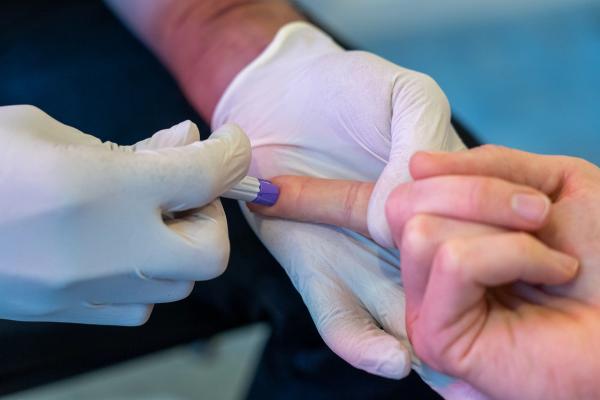
- A finger-prick blood sample
- Urine collection
- Anal swabs
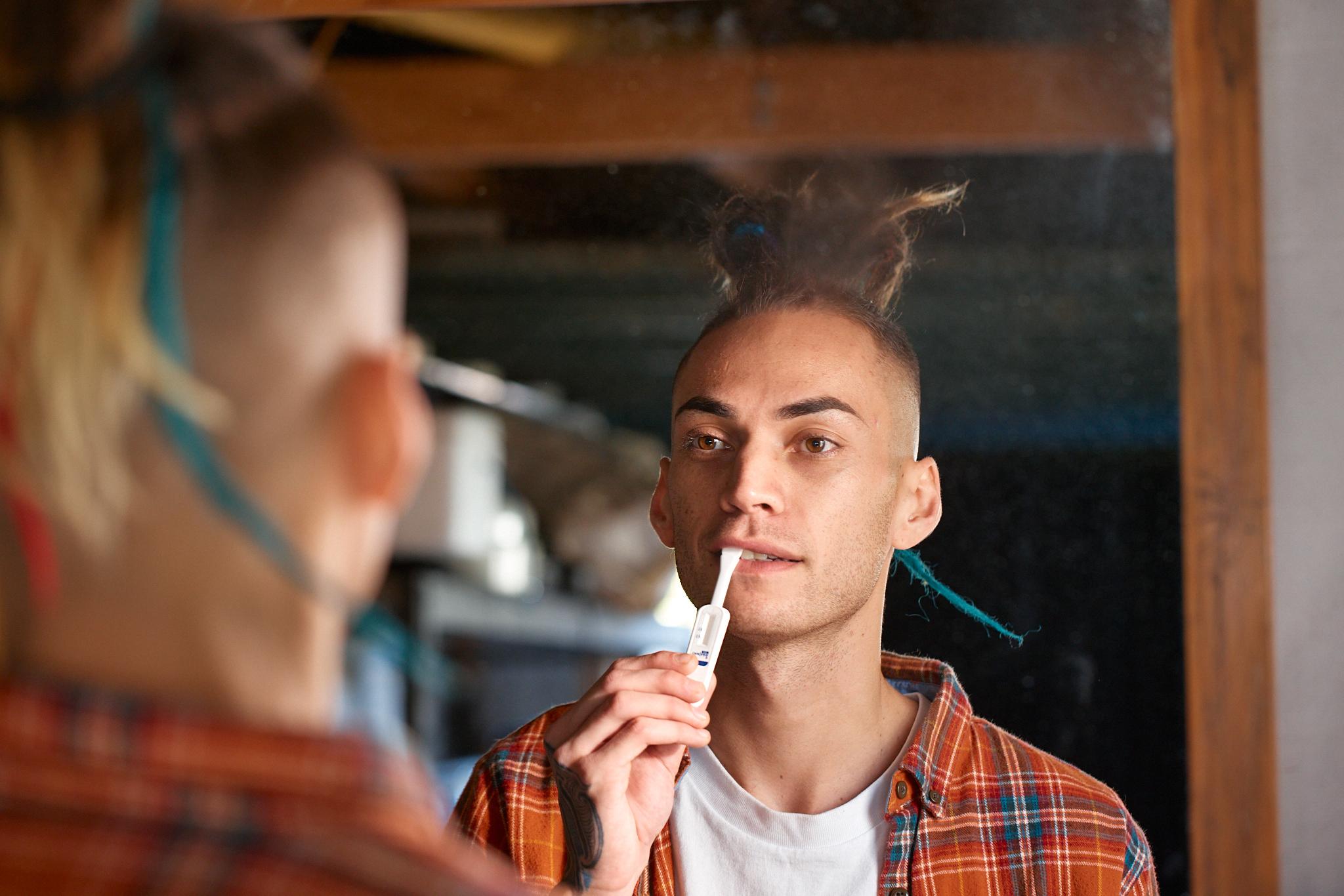
- Throat swabs
Instructions are included with all kits.
Clinic testing can be a good option if you are looking for a confidential, peer-supported testing experience with people who understand queer and takatāpui sexual health.
Ways to access a self-test
Burnett Foundation self-test kits can currently be accessed in several ways, including:
- Ordering online
- Using one of our test-kit vending machines
- Collecting kits from community locations across the motu. Some community locations may offer:
- Collection points for kits ordered online
- Onsite ordering and collection at the same time
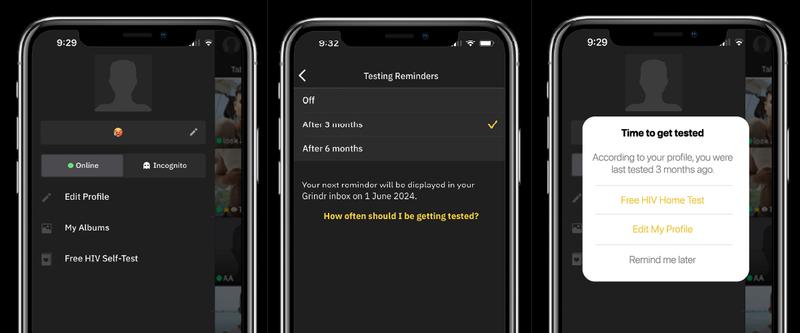
Ordering via Grindr
We have partnered with Grindr4Equality to get our HIV self-testing services promoted as Grindr’s local in-app testing option. Once you’ve ordered through Grindr, you can also set up reminders so the app can remind you when to order another kit.
HIV and STI testing
Not sure what gets tested, how testing works, or what happens if a result comes back positive?
Our HIV and STI testing guide walks you through the basics - from different types of tests and window periods to confidentiality, treatment and support.
No scare tactics or awkward lectures; just clear information to help you make decisions that work for you.
How self-testing works
HIV and STI self-testing kits are designed to be straightforward and can usually be completed in a short amount of time. Your kit may include:
- Instructions
- Testing materials
- Swabs or urine collection equipment
- Information about support and next steps
Depending on the kit, samples may either:
- Provide a result directly at home, or
- Be returned for laboratory testing in person or via post.
It’s important to follow the instructions carefully so everything works correctly.
Registering your result
If you use a self-test kit, it’s important to register your result - whether the result is negative or positive. Registering your result helps:
- Connect you with support if needed
- Link you to follow-up care
- Help us understand how self-testing is being used across Aotearoa
Your information is handled confidentially.
You will receive instructions about how to register your result along with your test.
Understanding your results
Negative result
A negative result means the test did not detect HIV or another STI.
However, tests cannot always detect very recent infections immediately after exposure. This is because of the window period.
If you may have had a recent exposure, you may need to test again later depending on timing and the type of infection.
Positive or reactive result
If your result is positive or reactive, try to stay calm.
For HIV self-tests, all reactive results need to be confirmed through additional laboratory testing with a healthcare provider.
If an STI test comes back positive, a healthcare provider or sexual health service can help arrange treatment and follow-up care.
If you test positive for either, support is available. You will not be expected to navigate the process alone.
Important info
Some point-of-care syphilis tests (such as finger-prick blood tests) may also detect evidence of previous syphilis infections that have already been treated. This means a reactive syphilis result does not always indicate a current infection.
It’s important to follow the instructions provided and complete any recommended follow-up blood testing to confirm the result and determine whether treatment is needed.
Window periods
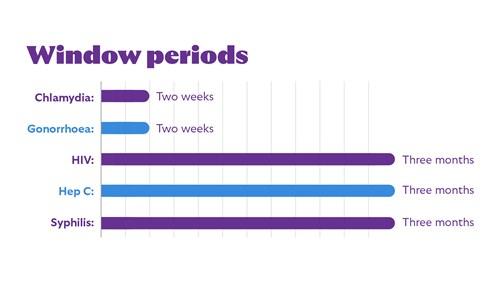
HIV and STI tests are not always able to detect infections immediately after exposure; the time between acquiring an infection and when it becomes detectable on a test is called the window period.
Generally speaking:
- Chlamydia and gonorrhoea may become detectable within around 2 weeks
- HIV, syphilis and hepatitis C can take up to 3 months depending on the type of test being used
Testing too soon after exposure may result in a negative result even if infection has occurred.
If you are unsure when to test, speak with a healthcare provider or testing service for advice.
Support and follow-up care
Whether your result is negative, positive or reactive, support is available. Healthcare providers and support services can help with:
- Confirmatory testing
- Sexual health support
- STI treatment
- HIV treatment and care
- PrEP and HIV prevention
- Routine testing plans