Other commitments
Burnett Foundation Aotearoa recognises that improving health outcomes requires more than preventing HIV transmission.
We are committed to supporting communities that experience barriers to healthcare, challenging stigma and discrimination, and promoting approaches that strengthen wellbeing, dignity and equity.
Alongside our commitments to people living with HIV and Māori, these commitments help guide our programmes, advocacy and partnerships.
Transgender and non-binary communities
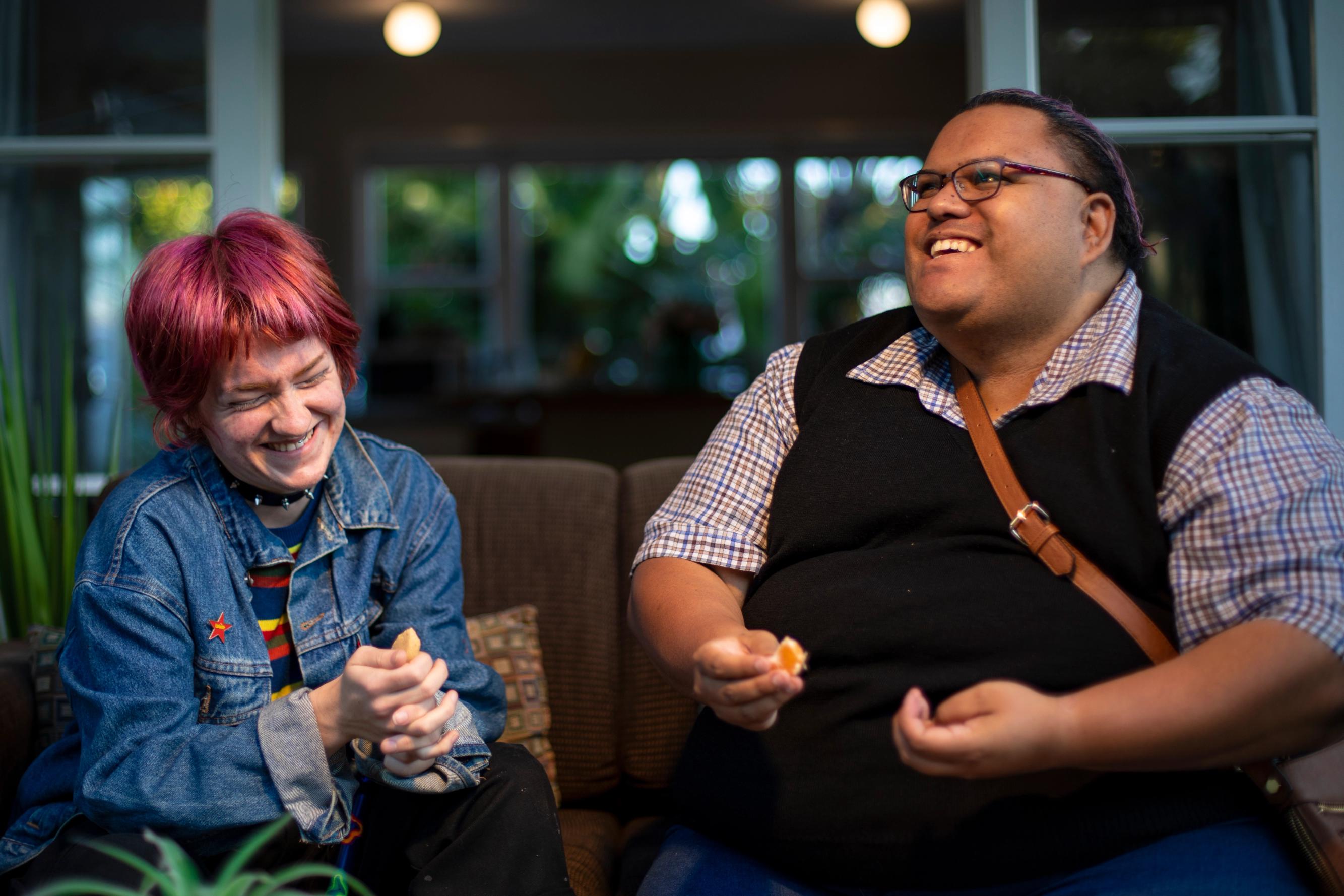
Transgender and non-binary people have played an important role in both the HIV response and broader rainbow rights movements yet continue to experience significant barriers to healthcare and wellbeing.
We are committed to ensuring transgender and non-binary communities see themselves reflected in our services, communications, advocacy and campaigns.
This includes improving service accessibility, investing in research and workforce development, supporting inclusive healthcare practices, and ensuring trans and non-binary people feel welcomed, represented and safe when engaging with our organisation.
Upholding the rights of sex workers
Burnett Foundation Aotearoa supports the rights, dignity and wellbeing of sex workers.
Aotearoa New Zealand's decision to decriminalise sex work has been internationally recognised as a public health success, helping create safer environments for sex workers and supporting access to healthcare and HIV prevention services.
We support policies and programmes that reduce stigma and discrimination, promote equitable access to healthcare, and uphold the rights and mana of sex workers.

Harm reduction
We are committed to a harm reduction approach across our work.
Harm reduction recognises that people are more likely to achieve positive health outcomes when they are supported with accurate information, practical tools and non-judgemental services.
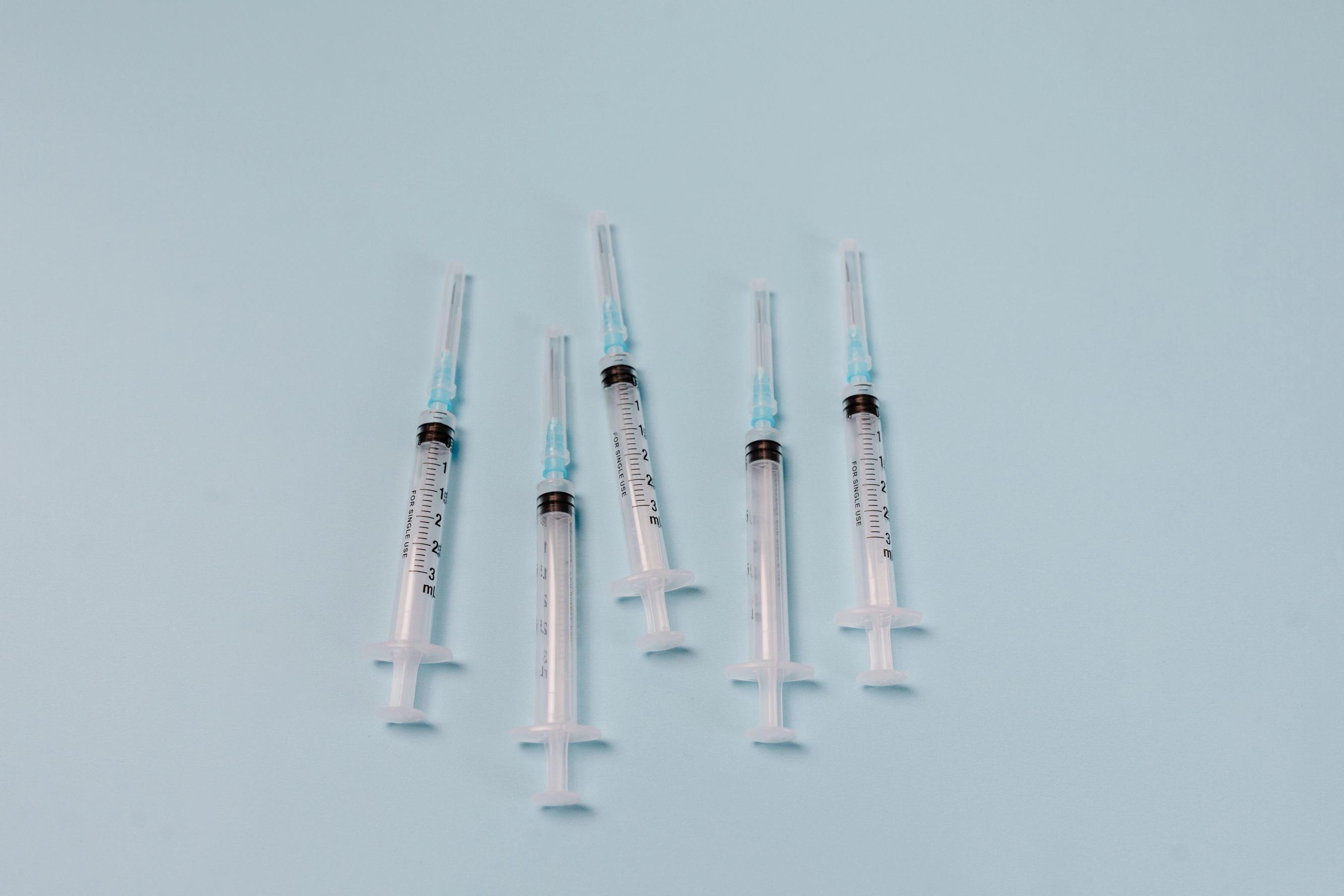
This approach has played a critical role in Aotearoa New Zealand's HIV response, including through initiatives such as the Needle Exchange Programme and community-based HIV prevention programmes.
We support evidence-based approaches that reduce harm and improve access to prevention, testing, treatment and support.
Environmental sustainability
Climate change is one of the most significant public health challenges facing current and future generations.
We recognise that environmental change can affect the health and wellbeing of the communities we serve and are committed to reducing our environmental impact.
We do this by working to reduce waste, lower our carbon footprint and support environmentally responsible practices across our organisation.

Looking forward
Our commitments continue to evolve alongside the communities we serve.
As new challenges emerge and community needs change, we will continue to listen, learn and adapt our work to ensure nobody is left behind.

Keen to support the kaupapa?
It would mean so much to us.